How to Control Your Emotions
Feb 03, 2026


Discover practical exercises to understand yourself better, improve your relationships, and boost your emotional intelligence at work.
Do you ever wonder why you react a certain way in difficult situations? Do you struggle to understand your own emotions? You're not alone. Research shows that only 10-15% of people are truly self-aware, even though 95% believe they are. The good news? Self awareness is a skill you can develop with simple daily exercises.
Self awareness is the ability to understand your thoughts, emotions, and behaviors—and how they affect others around you.
There are two types:
When you develop both, you make better decisions, build stronger relationships, and become more effective at work.

Emotional intelligence in the workplace is crucial for success. Research shows that 90% of top performers have high emotional intelligence.

Self-aware employees:
Journaling is one of the most effective self awareness exercises. It helps you understand your thought patterns and emotional triggers.

Step 1: Set aside 10 minutes daily
Step 2: Answer these prompts:
Step 3: Review weekly for patterns
Mindfulness helps you observe your thoughts and emotions without judgment. Even 5 minutes daily can make a difference.

1. Sit comfortably and close your eyes
2. Focus on your breathing
3. When thoughts come, notice them and return to breath
4. Start with 5 minutes, gradually increase
This is one of the easiest self awareness exercises you can do anywhere.
Set 3 random alarms on your phone. When they ring, ask yourself:
• What am I feeling right now? (Identify emotion)
• Where do I feel it in my body? (Body awareness)
• What triggered this? (Pattern recognition)
Sometimes others see what we can't see in ourselves.

1. Choose 3-5 trusted people (colleagues, friends, family)
2. Ask specific questions:
3. Listen without defending
4. Look for patterns in their answers
Understanding your core values improves self awareness significantly.
Step 1: List 20 values that matter to you (Examples: Integrity, Family, Growth, Health)
Step 2: Narrow down to top 5 (your non-negotiables)
Step 3: Rate your alignment (1-10 scale) - How well does your current life reflect each value?
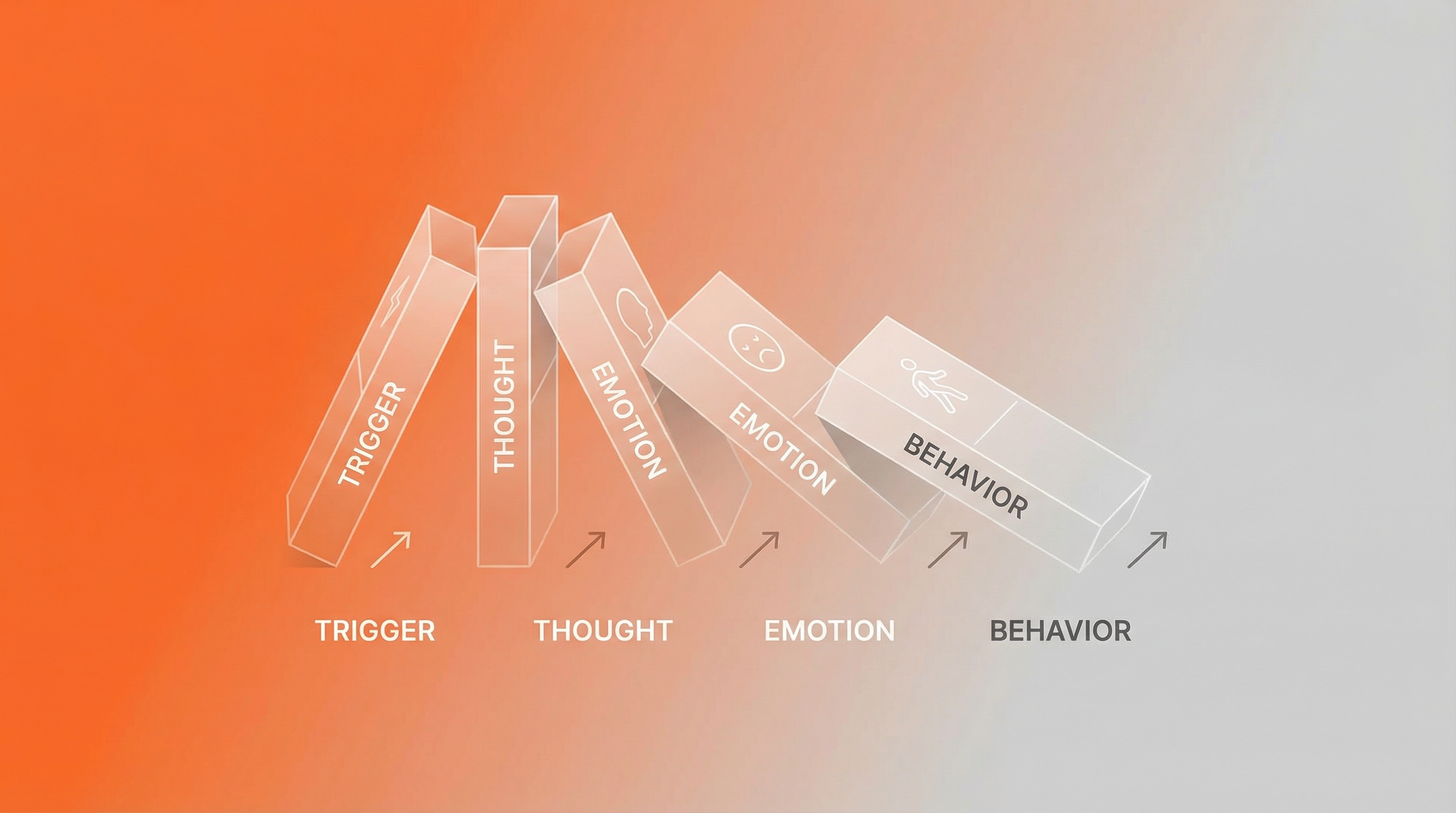
Knowing your triggers helps you respond instead of react.
1. Think of a recent strong emotional reaction
2. Ask yourself:
3. Plan a better response for next time
Your body holds emotional information. This exercise builds mind-body awareness.
1. Lie down comfortably
2. Close your eyes
3. Focus attention on each body part, starting from toes
4. Notice any tension, warmth, or sensations
5. Move slowly up to your head
6. Take 10-15 minutes

Emotional intelligence in the workplace starts with self awareness.
1. Know Your Communication Style
Notice if you're direct or soft in your approach. Adapt based on who you're speaking with.
2. Monitor Your Mood
Your mood affects your team. Take breaks when stressed.
3. Understand Your Conflict Style
Do you avoid conflict or address it head-on? Neither is wrong—just be aware.
4. Recognize Your Stress Signs
Know what triggers your stress and how it shows up in your behavior.
| Week | Focus | Daily Practice |
|---|---|---|
| Week 1 | Foundation | 5 min journaling + 3 emotion check-ins |
| Week 2 | Deepening | 10 min journaling + 5 min meditation |
| Week 3 | Feedback | Ask 2 people for feedback + identify triggers |
| Week 4 | Integration | Values exercise + create ongoing plan |

Self awareness exercises are simple but powerful. Start with just one—journaling or meditation—and practice it daily for two weeks.
Remember: Start small • Be patient with yourself • Stay curious, not judgmental • Apply what you learn. The journey to self awareness is the most valuable investment you can make in yourself.